
Hyperpigmentation, Dark Spots & Melasma
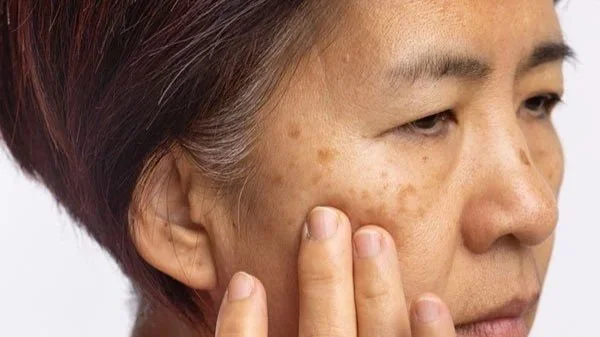
Clearer, more even-looking skin begins with understanding why discoloration appeared. A sun spot, a mark left by acne, and a patch of melasma may look similar, but they can respond very differently to treatment.
At Atrium Aesthetics, I begin with a detailed history of relevant health concerns, previous treatments, and how your skin responded. I then perform a focused skin examination and develop a plan based on my findings, your goals, and your skin’s tolerance for treatment.
.
Can melasma be treated?
Yes. Melasma can often be improved and managed, although there is no permanent cure. Some areas may lighten more than others, and recurrence is common. Treatment takes time, so I discuss what improvement may realistically look like and what you can do to help maintain it.
The plan often combines sun protection, carefully selected skincare, and follow-up. A procedure may help a suitable patient, but irritation can also worsen pigment or leave an area lighter than the surrounding skin. Your skin’s response guides the pace of care.
What might your plan include?
Your plan may involve one or more of the following, introduced when appropriate:
Skincare and prescription treatment. Depending on your assessment, options may include vitamin C, niacinamide, azelaic acid, kojic acid, tranexamic acid, tretinoin, or hydroquinone. I may prescribe a personalized compounded cream when a standard product does not meet your needs. For certain cases of facial melasma, a short course of triple-combination prescription treatment, such as Tri-Luma, may be considered.
In-office care. A carefully selected chemical peel may help some forms of surface discoloration. Hydrodermabrasion, T-Shape 2 Facial, microneedling, and NeoGen PSR may be considered for other concerns identified during your examination, including texture, acne scarring, or overall skin quality. These procedures are selected with your pigment risk in mind.
I also teach you when to use active skincare, when to pause it before or after a procedure, and how to recognize irritation. If you are pregnant, planning pregnancy, or breastfeeding, tell me before starting a prescription or active product so we can review suitable options.
Sun protection that fits real life
Sun protection is the foundation of melasma care and remains important after discoloration improves. I recommend a broad-spectrum sunscreen with SPF 30 or higher. For melasma, a tinted sunscreen containing iron oxides offers additional protection against visible light. A hat, shade, and regular sunscreen reapplication when you are outdoors are useful parts of the routine.
Daylight can reach your skin through a window. If you spend time driving or sitting beside a sunlit window, daily protection still matters.
Makeup can be helpful, too. A tinted foundation may conceal patches while treatment has time to work, and some formulas contain SPF and iron oxides. I generally recommend applying sunscreen first, then foundation, because makeup is often applied too sparingly to provide the full protection stated on its label. Feeling comfortable in your skin during treatment matters.
If dark spots appear after a procedure
Let me know if you notice new or worsening discoloration after a peel, microneedling, laser, or another skin treatment. I can assess how your skin is healing before adjusting your products or considering another procedure. Starting strong exfoliants or pigment treatments too soon can add irritation.
PIH may fade over months, while deeper pigment can take longer. We will reassess your progress and adjust the plan as your skin responds.
When a skin concern deserves a closer look
Your skin can sometimes reveal a pattern that calls for medical evaluation. Persistent acne together with irregular periods, new facial hair, scalp hair thinning, or darker, velvety skin around the neck or body folds may warrant assessment for polycystic ovary syndrome (PCOS), insulin resistance, or another condition.
These findings alone do not establish a diagnosis. When appropriate, I may recommend targeted lab work or further medical follow-up as part of understanding the whole picture.
Begin with an assessment
Your skin has its own history. Schedule a consultation at Atrium Aesthetics in Chico, and we’ll build a plan around it.
Our Approach to Skin Pigmentation Correction
At Atrium Aesthetics, we believe in personalized care tailored to meet your unique skin needs. Laser can be a part of your treatment plan if your clinical assessments indicates. Our PicoWay® Laser pigmentation treatment is part of a series of treatments that can work in tandem to enhance results. this includes:
Personalized Consultation: Our experts conduct an in-depth skin assessment to understand your concerns and goals, ensuring PicoWay® is the right fit for you.
Customized Treatment Plan: Based on the consultation, we design a treatment plan that addresses your specific pigmentation issues, considering your skin type and overall health.
Treatment Sessions: The number of sessions varies based on the extent of pigmentation. Each session is quick, with minimal downtime, allowing you to return to your daily routine promptly.
Post-Treatment Care: We provide comprehensive aftercare instructions to enhance your recovery and results, including recommendations for sun protection and skin care products.
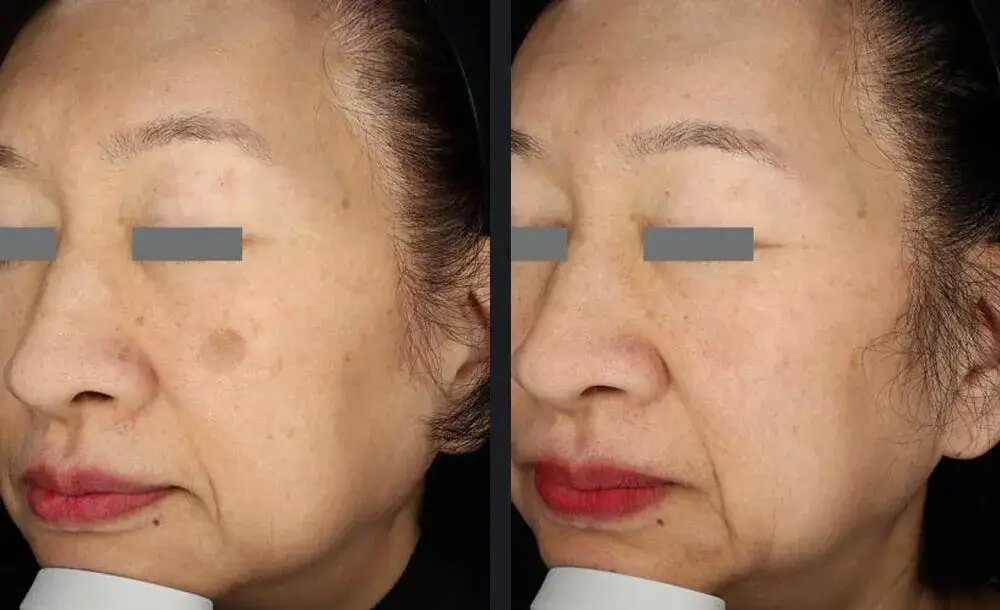
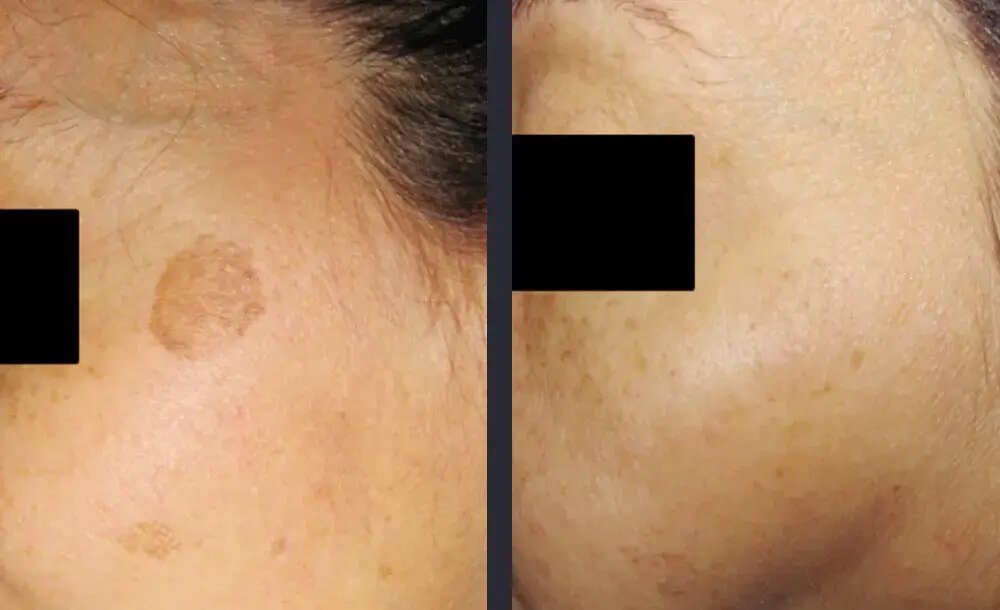
BEFORE / AFTER
Understanding the cause
Melasma often appears as patches of facial discoloration. Hormonal changes, sunlight, and visible light can influence it. It may improve with treatment and later return.
Post-inflammatory hyperpigmentation (PIH) develops after inflammation or injury. Acne, irritation, and skin procedures can all leave darker marks as the skin heals.
Sun spots reflect accumulated sun exposure. Other patterns of darkening may point to a different skin or health concern. The type of pigment, its likely depth, and what continues to trigger it all help guide treatment.
A spot that is new, changing, bleeding, or noticeably different from your other spots should be examined by a dermatologist before cosmetic treatment.
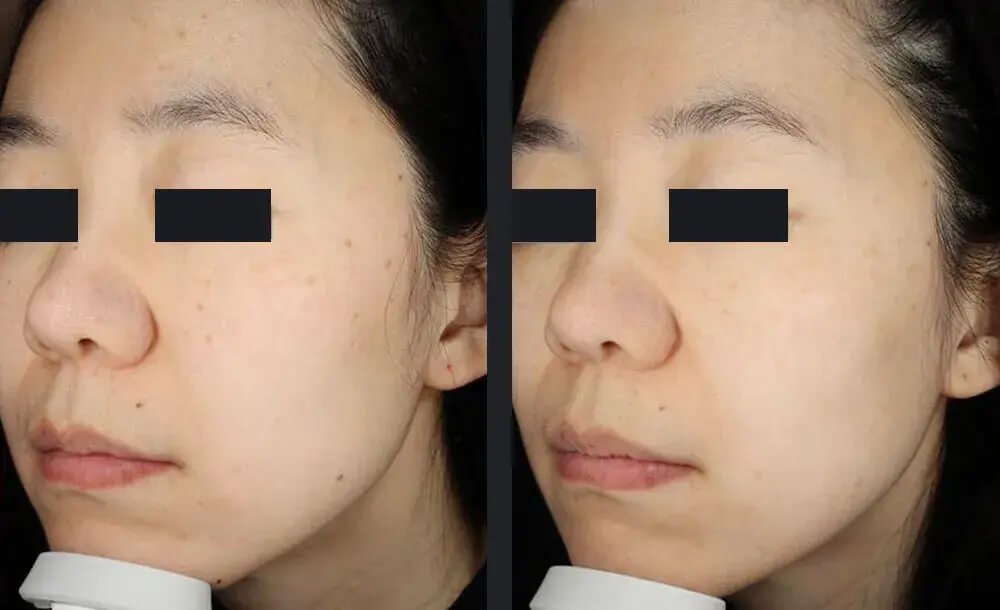
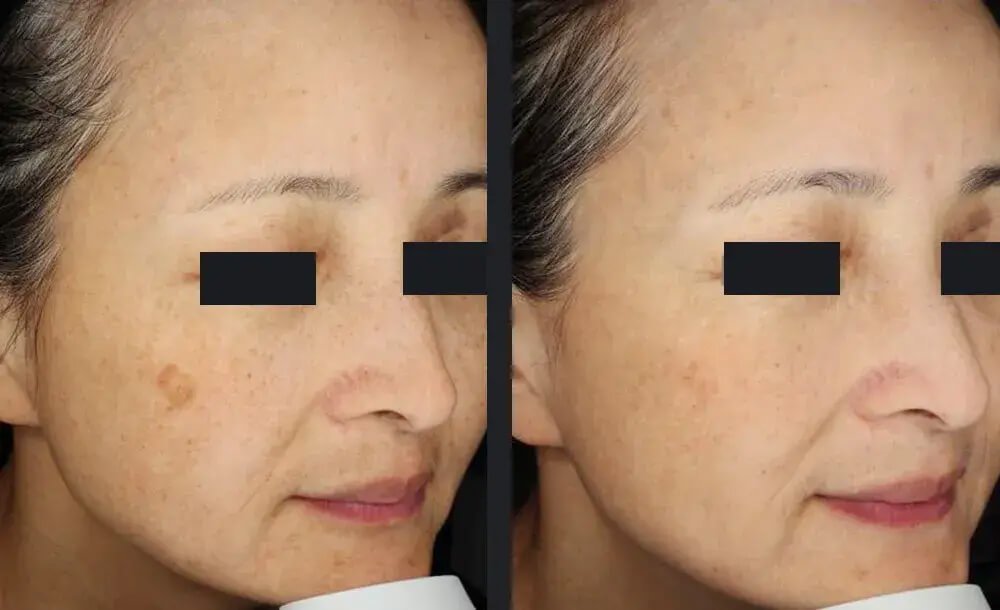
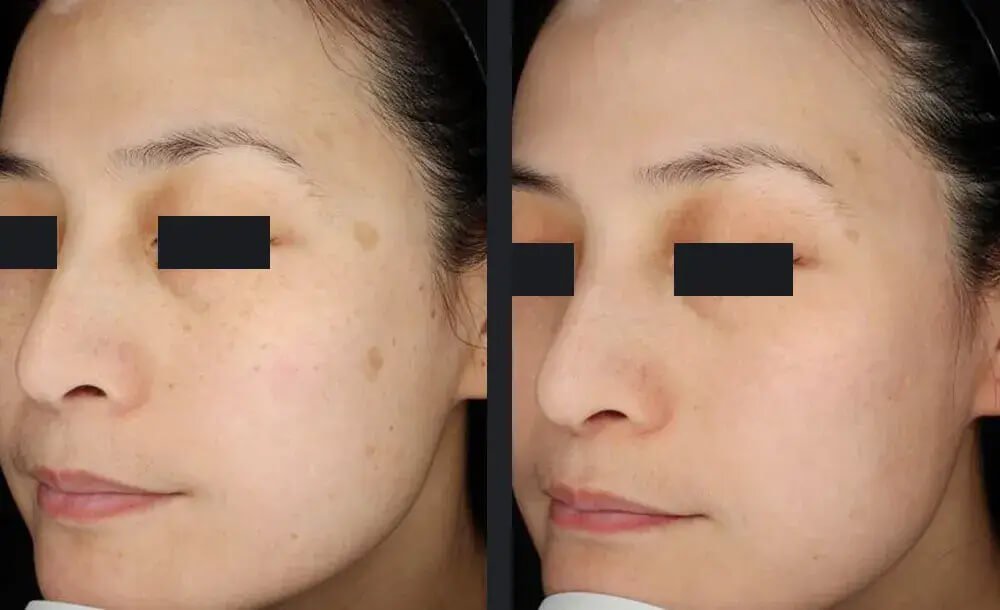
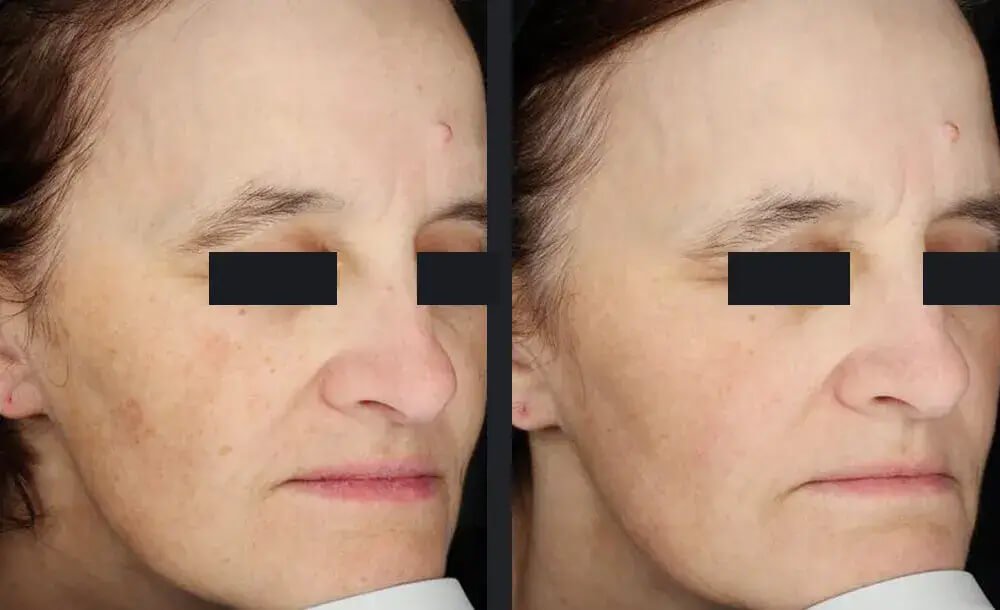
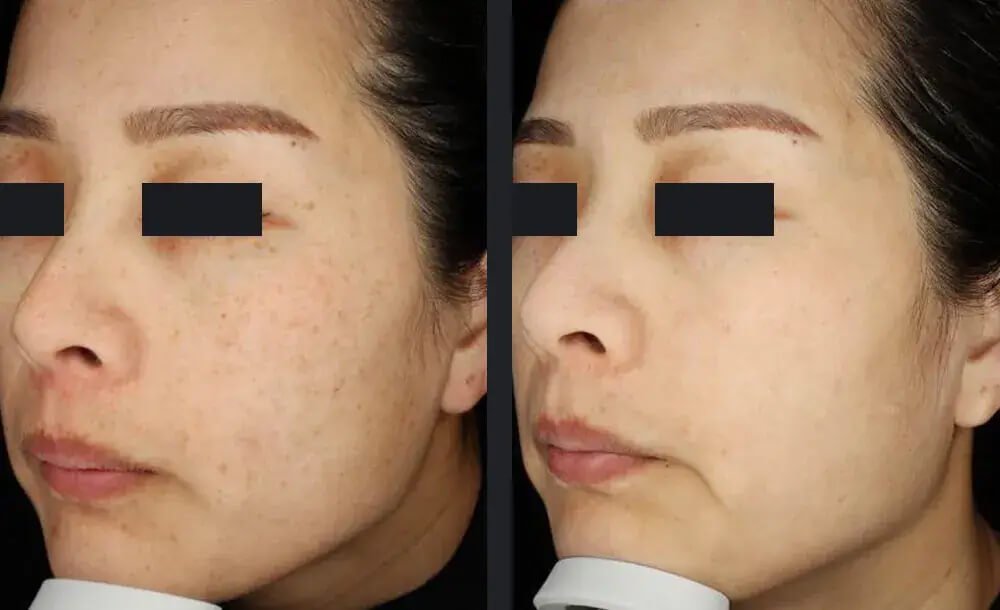
Why PicoWay® Laser for Pigmentation Correction?
PicoWay® Laser stands out as a premier choice for those seeking to address various skin pigmentation issues, such as sun spots, age spots, melasma, and other forms of discoloration. Here's why PicoWay® is a game-changer in the realm of skin aesthetics:
Fast and Effective Treatment: With its picosecond laser technology, PicoWay® delivers rapid pulses, breaking down pigmentation into tiny particles that are easily eliminated by the body.
Minimal Discomfort: The non-invasive nature of the PicoWay® Laser ensures a comfortable experience, with most patients reporting minimal pain.
Suitable for All Skin Types: Unlike some laser treatments that are limited to lighter skin tones, PicoWay® is effective across a diverse range of skin types and colors.
Reduced Risk of Side Effects: The precision of PicoWay® minimizes the risk of unwanted side effects, such as scarring or changes in skin texture.

Benefits of PicoWay® Laser Pigmentation Correction at Atrium Aesthetics
Targeted Correction: Precisely targets and reduces unwanted pigmentation, promoting a more even skin tone.
Quick Sessions: Each treatment is fast, making it easy to fit into your busy schedule.
Long-Lasting Results: Enjoy a brighter, more uniform complexion for longer periods.
Boosted Confidence: Improved skin appearance can significantly enhance your self-esteem and confidence.
Begin Your Journey to Flawless Skin Today
At Atrium Aesthetics in Chico, CA, we're committed to helping you achieve your skin goals with the most advanced treatments available. Our PicoWay® Laser pigmentation correction offers a safe, effective, and non-invasive solution to skin discoloration, ensuring you leave our clinic with a glowing, confident complexion.
FAQS
-
Results can vary, but many patients notice improvements after just one session. Optimal results are typically observed after a series of treatments.
-
Most patients experience minimal discomfort, often described as a slight snapping sensation against the skin. We offer numbing options to ensure your comfort.
-
Side effects are generally mild and temporary, including redness or slight swelling, which usually subside within a few days.
-
The number of treatments depends on the severity and type of pigmentation, as well as your skin’s response to the laser. This will be discussed during your consultation.
-
Protecting your skin from the sun and following a healthy skincare routine are crucial. We'll guide you on the best practices to maintain your radiant complexion.